Advertisement

North Barsham, East Barsham and West Barsham

Traditional Norfolk Villages

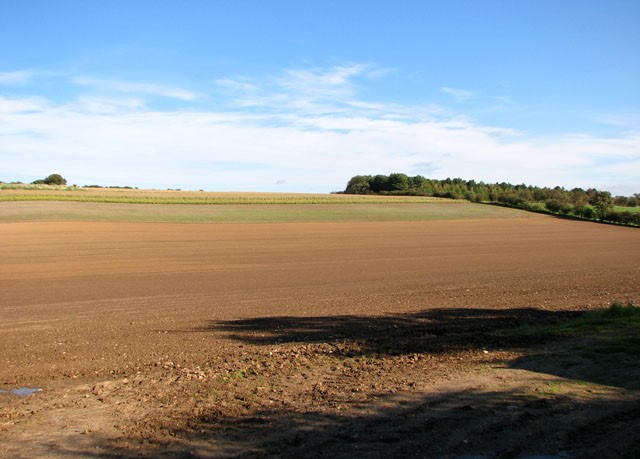
A pleasant walk around three traditional Norfolk villages. The hamlets of North Barsham, East Barsham, and West Barsham, each with its own small church, form the points of a triangular walk deep in the countryside of North Norfolk. Here the land is farmed in a traditional way, which helps to preserve a beautiful landscape of water meadows rich in wildlife, carefully nurtured fields home to partridge and hare, and woods stuffed with pheasants and rabbits. Old manor houses punctuate the landscape, gathering round them tiny communities, each with their own church. There is a wealth of old monasteries and other religious foundations in the area, and nearby Walsingham has been a place of pilgrimage for centuries.
Start Point
North Barsham
Grid Ref: TF 91504 34819
Total Distance
3.2 miles (5.1 km)
Total Climbing
59 metres
Estimated Time
1–2 hours
Difficulty Grade
Easy

Ordnance Survey Explorer Map (1:25,000)

Essential paper map for exploring Norfolk Coast Central, Wells-next-the-Sea and Fakenham:

The Walk Report

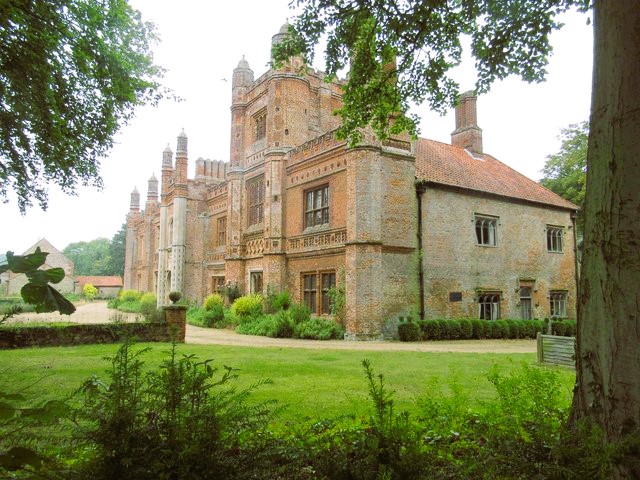
The walk starts in North Barsham by the ford of the pretty River Stiffkey. It follows the river before turning for a short distance along the main road between Fakenham and Little Walsingham to pass the outstanding early Tudor East Barsham Manor. The house, built by Sir Henry Fermor in pinky-red brick with fine mouldings of roses and fleur-de-lys, has romantic turrets, finials, and ornate chimneys. It was later the seat of both the Calthorpe and L'Estrange families.

The splendid gatehouse is decorated with the arms of England and the Tudors. Henry VIII stayed here in 1511 and walked barefoot to the shrine at Walsingham on a pilgrimage. The manor was in a ruinous state during the 1700s but was restored by the end of the 18th century.

Next to the manor is All Saints Church. It has been reduced in size over the years, and its 13th-century tower chopped in half. It features Norman doorways, some 15th-century stained glass, and a lovely 17th-century alabaster wall memorial to the mother of James Calthorpe of East Barsham Manor, alongside fine old carved pew ends dating from the 15th century.

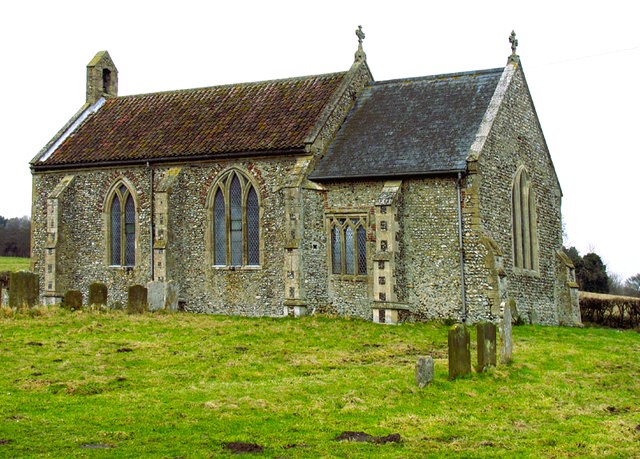
North Barsham Church
The Barsham's countryside

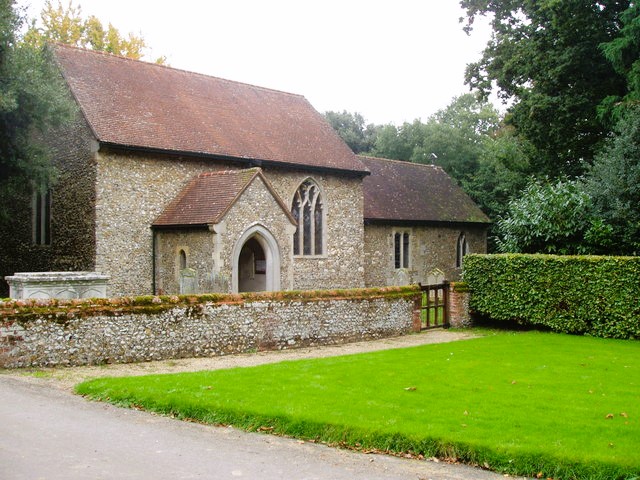
On leaving the church, the walk follows narrow lanes to West Barsham, passing the modern hall with its lovely garden (the present house replaces an older manor house) to reach the lovingly cared-for small Church of the Assumption.

Now towerless, this Saxon church has a Norman doorway and a tiny original glassless Norman window above the porch. The church was enlarged in the 14th century, and the beautifully carved lectern and oak benches depicting farm and domestic animals are modern. The church was originally the center of a fairly large village which fell into decay when the population was decimated by the Black Death.

A pleasant stroll along the Stiffkey valley brings you to North Barsham and another All Saints Church, surveying the River Stiffkey from its site on the hill. Also towerless, this church is rather plain, but inside are a 13th-century font and a 17th-century pulpit. From the church, it is only a short distance back to the parking place.

East Barsham Manor
East Barsham Manor
West Barsham Church
West Barsham Church

Acknowledgment: Text derived from the Out and Out Series; Discovering the Countryside on Foot. Pictures courtesy of Wikipedia.

Advertisement

Join The Walking Englishman Community

Connect with other walkers, share trail photos, and keep up to date with my latest route notes.