Great Bardfield is associated with Anne of Cleves, who was given the village by her then husband, Henry VIII. Her possessions included the Grade II-listed Great Lodge and its associated Grade I-listed barn, now named after her.
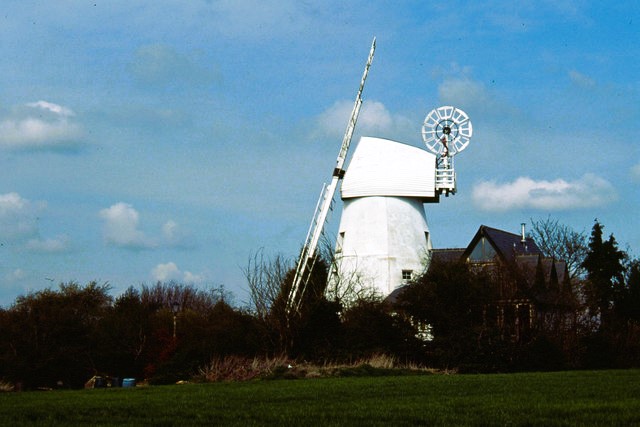
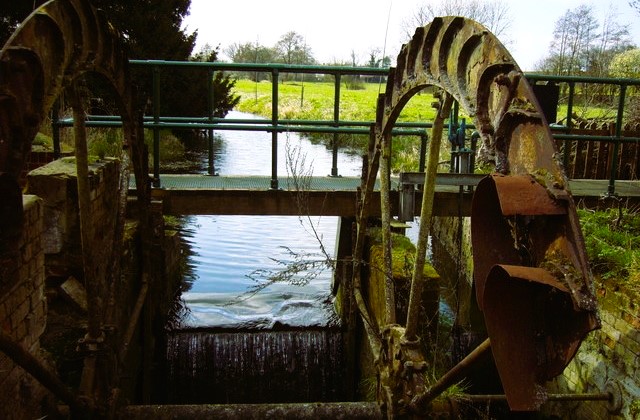
On the right, just after leaving the village, is Gibraltar Windmill, which is thought to have been built in 1660. Now a private residence, it was last used as a mill in 1930. Nearby, on the River Pant (Blackwater), stands a water mill with its machinery intact; this was owned by the same miller as the windmill, and the two are linked by a track.
The walk follows Finchingfield Brook to Finchingfield, which it enters through the churchyard of St John the Baptist. The church dates from the 12th century and has a 15th-century font, a fine 15th-century screen, and chapels dedicated to two great local families.
In the beautifully decorated south chapel is a memorial to William Kempe of Spain Hall (just north of Finchingfield), who falsely accused his wife of infidelity after 33 years of marriage and was so overcome with remorse that he took a vow of silence for seven years.
Next to the church is the Guildhall (or Yeld), dating from about 1500, which once housed the village school on its first floor (on the ground floor is a small museum of local history).
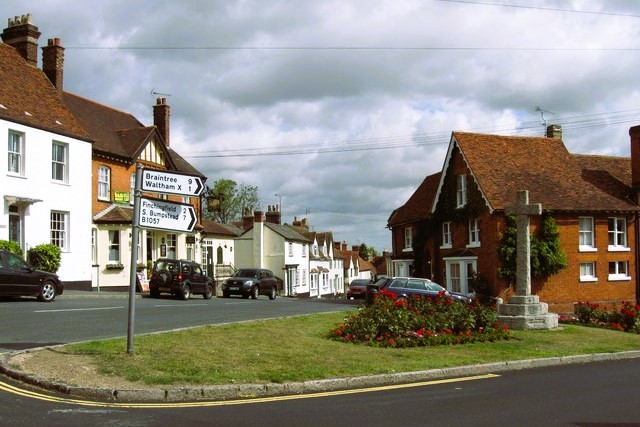
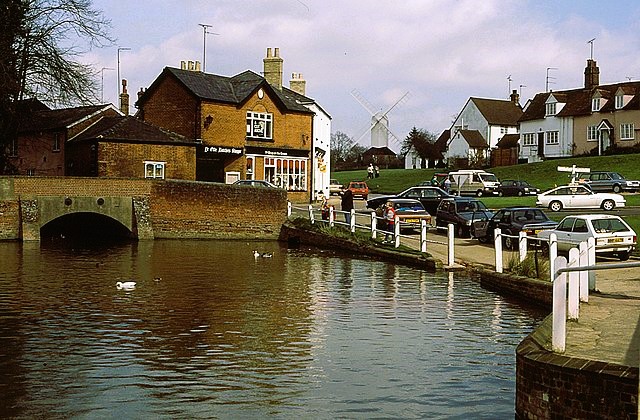
The village has a restored post mill on the north side, and Finchingfield has been described as the most photographed village in England.
The return route is through open fields and along the Pant Valley, via the hamlet of Beslyns, back to Great Bardfield, where it passes the village lock-up (or cage) with its date, 1816, on the main door.