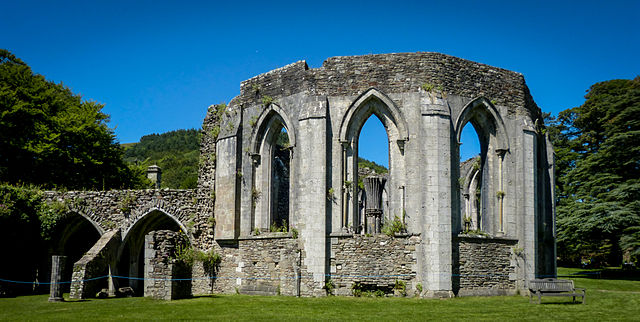
The walk begins at the oldest building, Margam Abbey Church — the remains of a Cistercian house founded by the son of Henry I in 1147. The Cistercians, a hardworking, reforming order, set up farms and mills and had a great civilising influence on the area.
The church consists of the restored remains of the nave of Margam Abbey. Cistercians rejected ornament in their churches, but there are great riches here: William Morris and Edward Burne-Jones created the Victorian stained glass in the west windows, and the painted alabaster tombs of the Mansel family are some of the best Tudor and Jacobean monuments anywhere. The Mansels took over the estate when the abbey was dissolved; when their line ran out, it was inherited by the Talbot family, whose memorials are in smooth Italian marble. Near the abbey is the renowned Margam Stones Museum, which is a must-see for history buffs and houses one of the finest collections of Celtic crosses in the world.
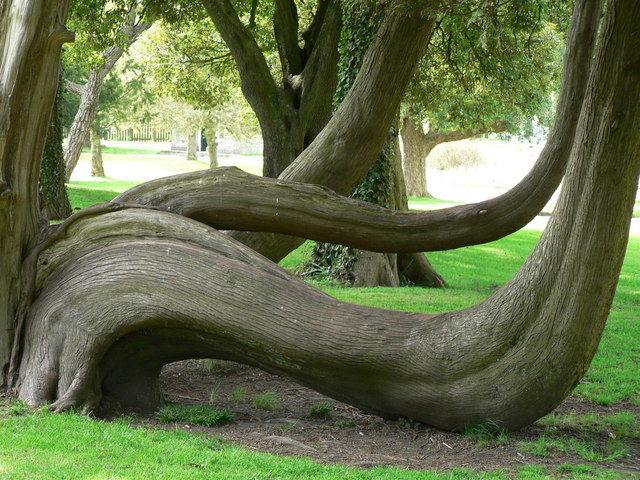
The ruins of the abbey, including a 12-sided chapter house, stand behind the church. Close by is a magnificent lace beech tree whose trunk and branches sweep the ground; it is many hundreds of years old and was named Welsh Tree of the Year in 2020. It's a truly remarkable sight.
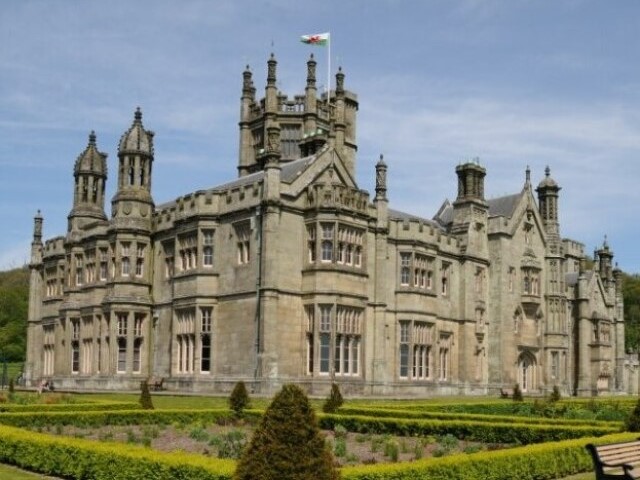
Margam Country Park is now owned and maintained by Neath Port Talbot County Borough Council. Once there was a nominal fee for wandering the park, but now footfall is free (the only fees payable are for those arriving in cars and parking within the grounds).
Near to the entrance is a long, low classical building with a row of tall windows: this is the Orangery, built in the 1780s to provide winter quarters for the estate's collection of citrus trees, which were wheeled out through the high central door to enjoy the summer sunshine. Nearby is the Temple of Graces, built in classical style (four graces are depicted in the sculpture niches, though three were all the Greeks and Romans ever needed). The nearby 17th-century Summer Banqueting House, now the Citrus House, functions as a gardening museum.
You will see lots of wildlife at Margam, the deer being particular favourites. They roam freely around the grounds, and the largest herd numbers some 300 fallow deer. Red deer introduced from Scotland number over sixty, and a far rarer breed called Père David's deer may also be seen. This endangered species is part of a breeding programme run with Whipsnade Safari Park in Bedfordshire; there are just over 30, so they can be hard to spot, and they look quite different from other deer species with a much broader face reminiscent of a horse.
If you are walking with younger members of the family, there is plenty to keep even the most energetic busy. Children aged 10 and under will love the Fairytale Village with its miniature Tudor houses and adventure castle, while school-age children can swing, jump, and slide all over the place at the Adventure Playground. If the kids are into animals, the Farm Trail will keep them happy for hours with ponies, sheep, pigs, goats, and chickens — many of them rare breeds — alongside the Wood Vibrations adventure trail for exploring the forest.
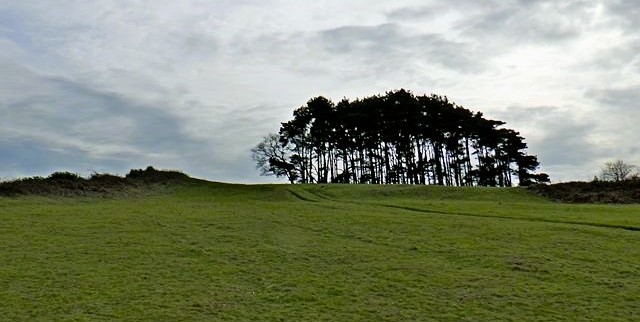
There are hundreds of acres of parkland, woods, and gardens to explore, so take your pick from just wandering where the mood takes you to following one of four waymarked trails. All are easy strolls of around two to three miles (3 to 5 km), though several have slightly steeper sections and are a great way to explore the park's historic remains, look out for wildlife, and take in vast views from the hilltops. For a full-on hike, pull on your boots and stomp all the way along the Coed Morgannwg Way to Afan Forest Park. (Some text courtesy of Visit Wales)
Acknowledgment: Text derived from the Out and Out Series; Discovering the Countryside on Foot. Pictures courtesy of Wikipedia.